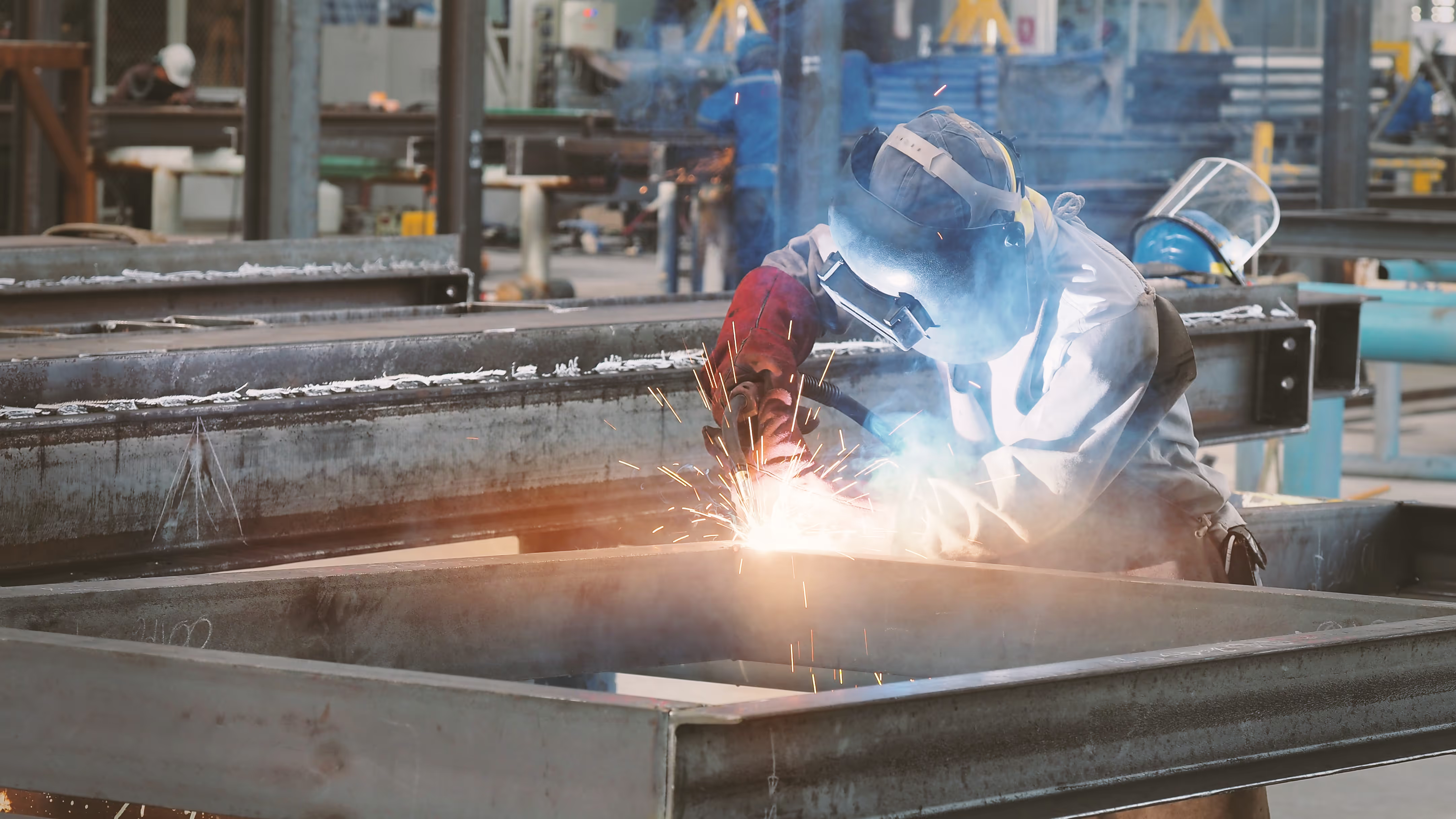
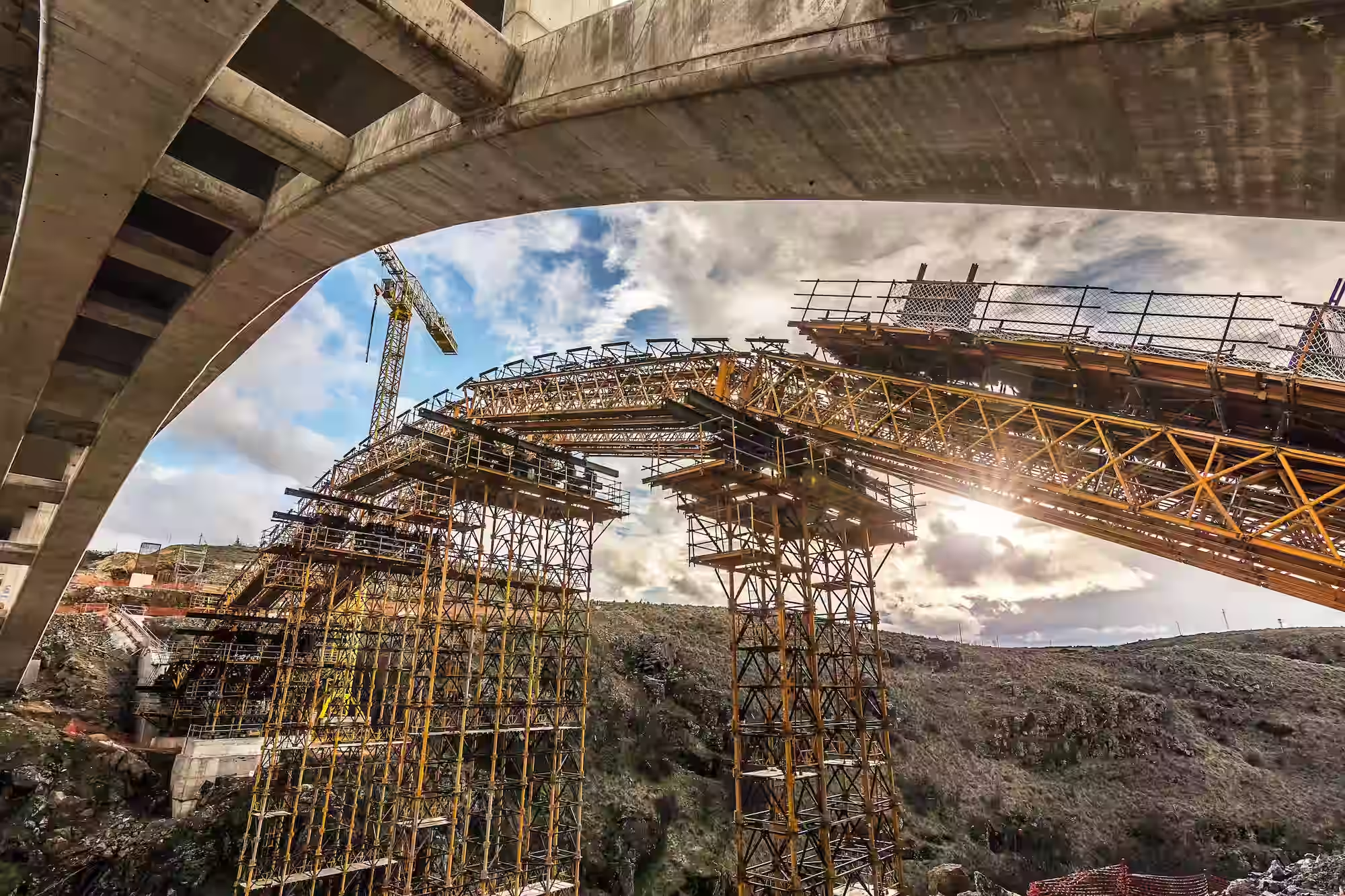
Firms that build or erect steel structures put serious money into welding technology — yet the step right before it, preparing the weld edges, often gets far less attention. That's precisely where the biggest gains in quality, output, and cost efficiency are waiting. Steel halls, bridges, industrial platforms, and crane runways all hinge on weld reliability.
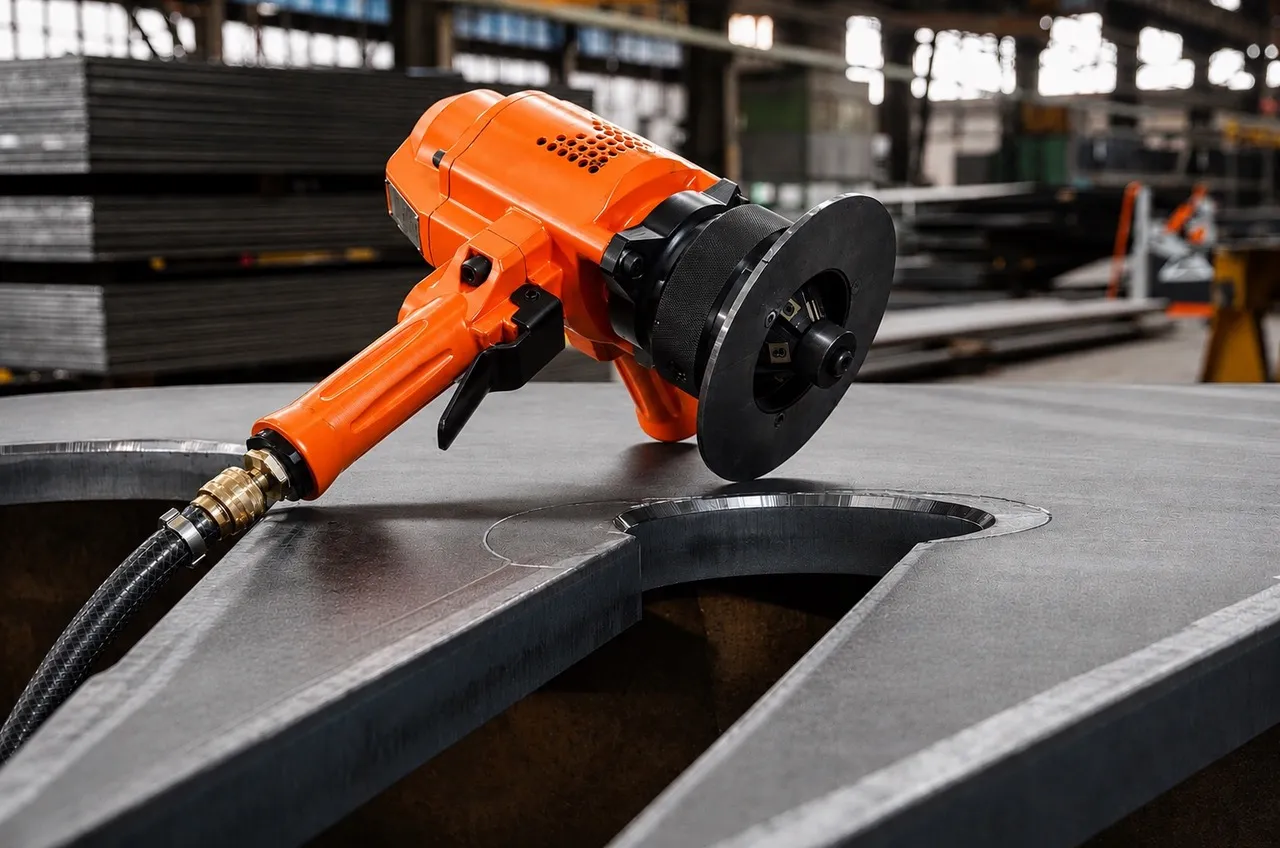
And reliable welds begin with how the edges are prepared — the bevel geometry, the surface finish, and the joint's consistency. Fabricators who trade hand grinding or flame cutting for beveling machines gain a real edge on quality, cost, speed, and compliance.

Replacing manual preparation with machining unlocks measurable gains across the entire fabrication workflow.
Codes such as AWS D1.1 set strict requirements for structural welding and weld preparation. Consistent, machined bevels help fabricators meet those requirements while improving repeatability and reducing rework.

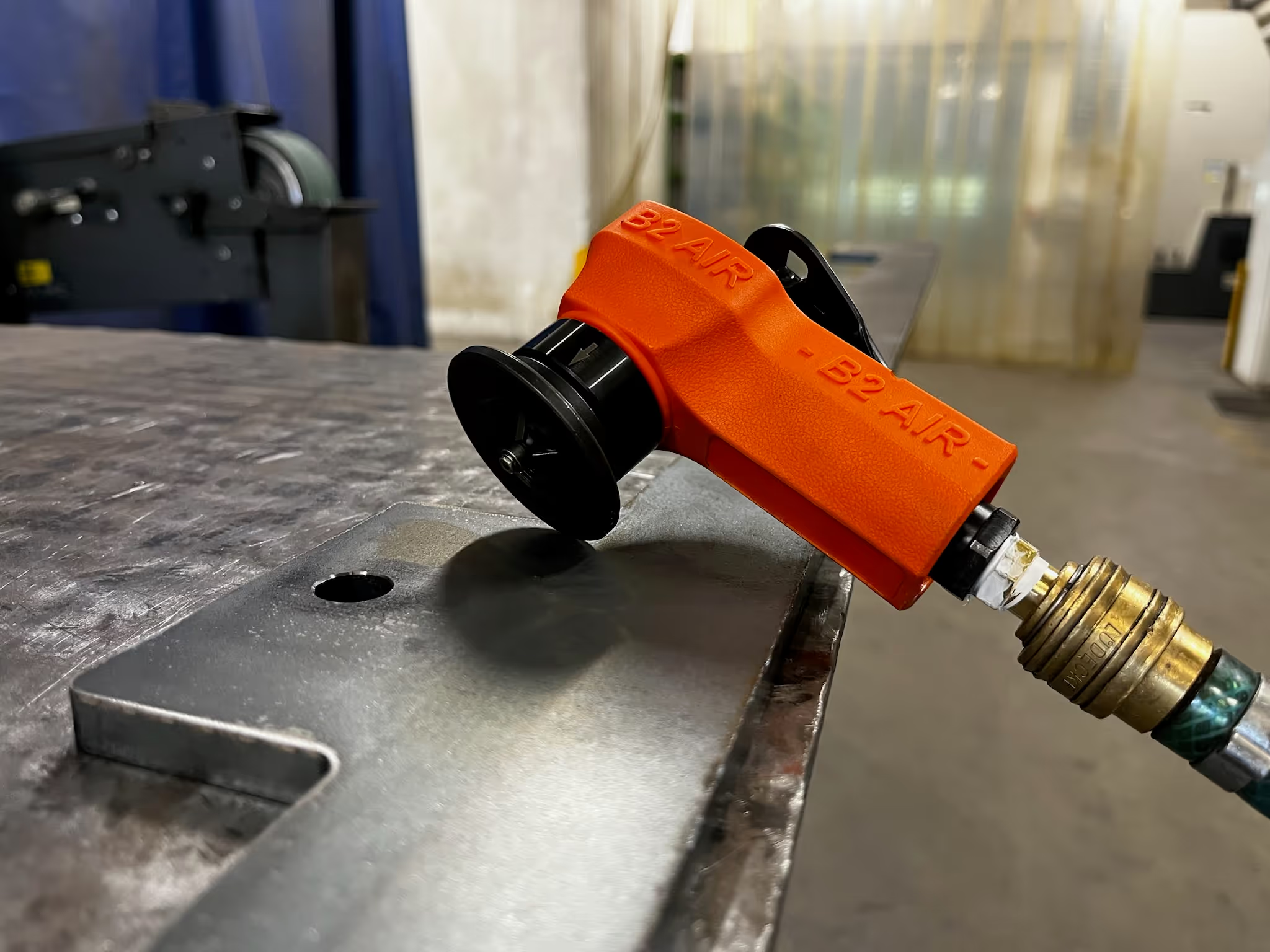
Machining a bevel runs several times faster than grinding it by hand.
On serial runs of beams, welded frames, or structural parts, that adds up to hours reclaimed each week.
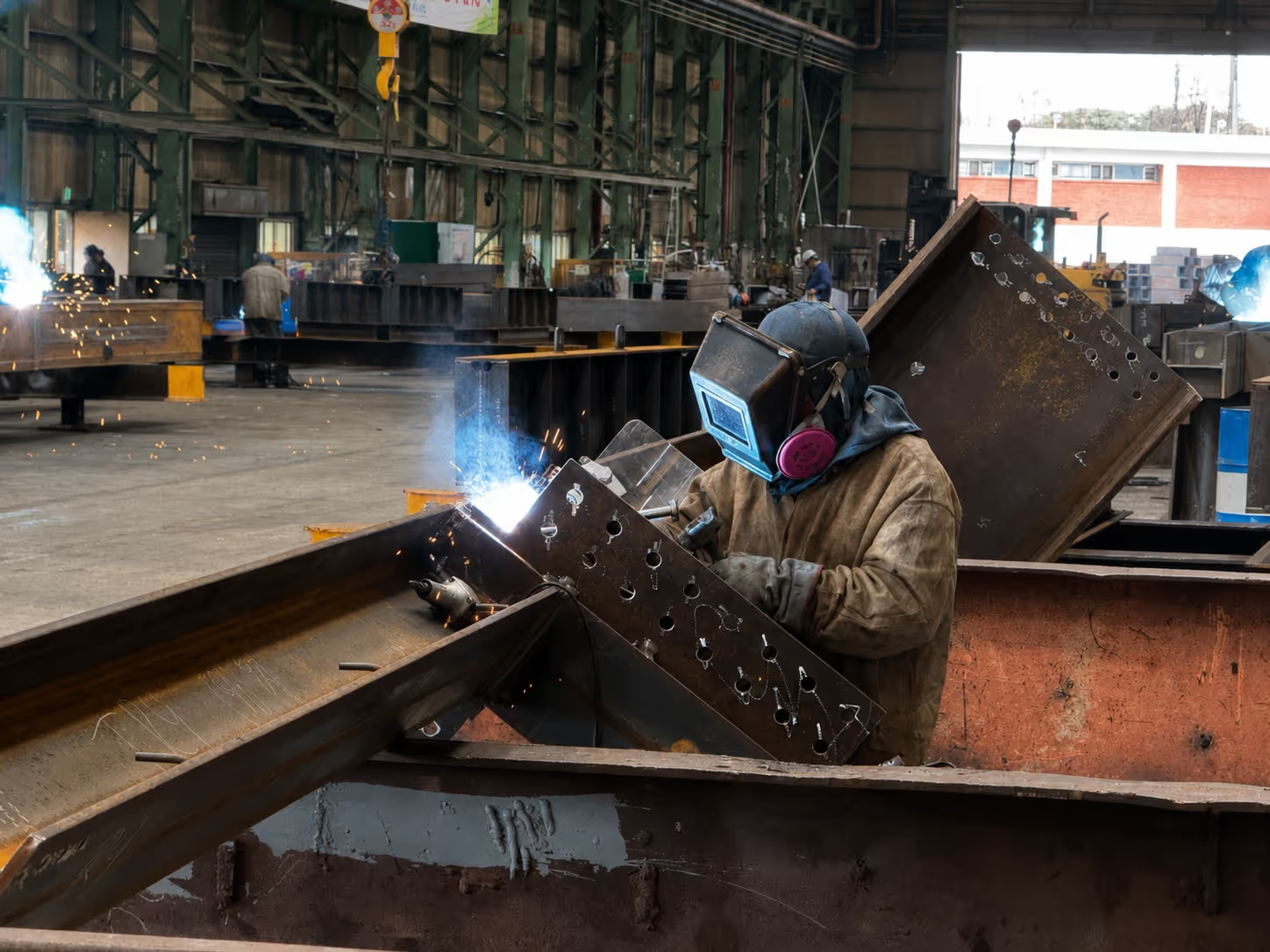
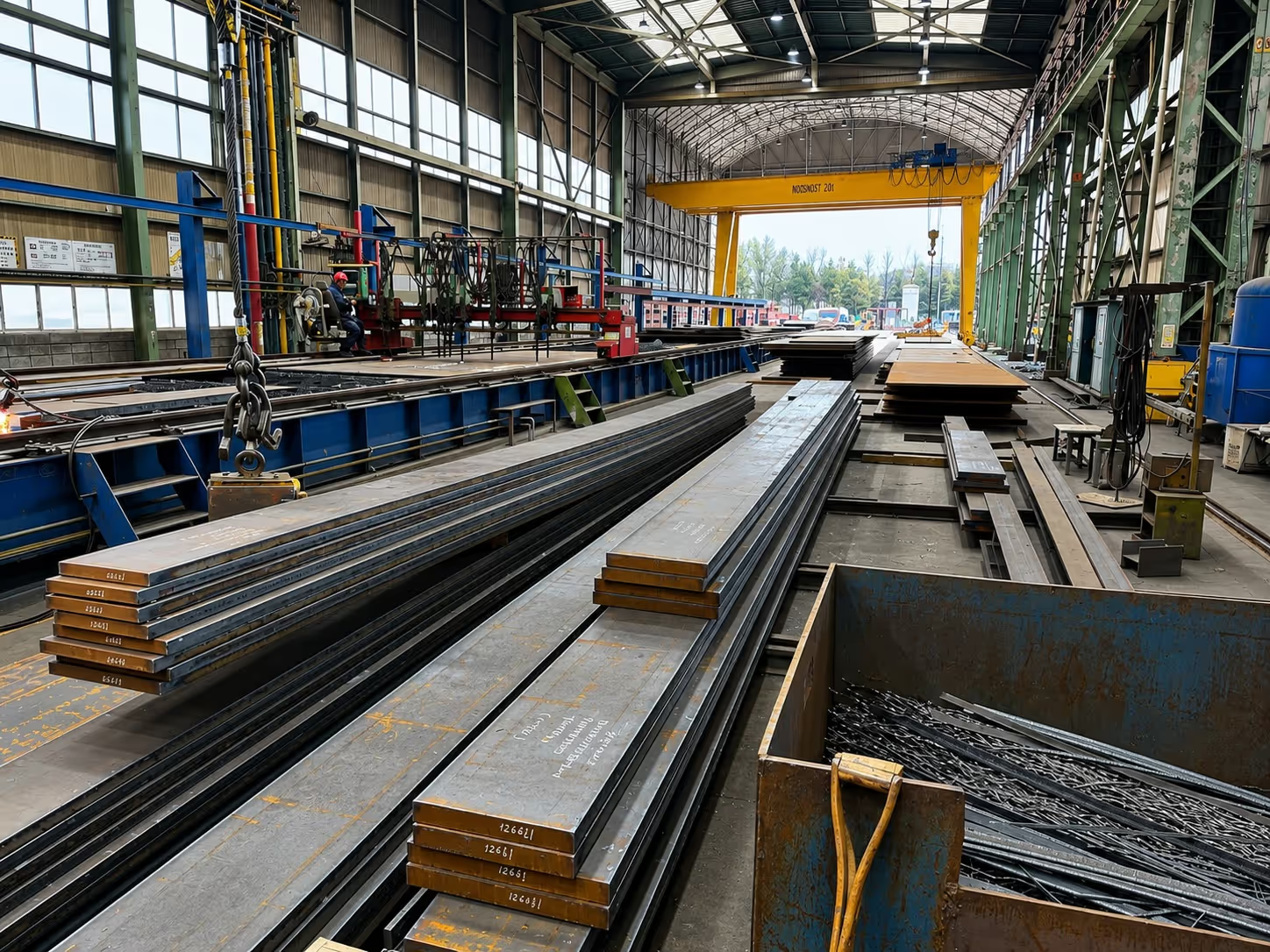
Poor edge prep is behind a large share of weld defects.
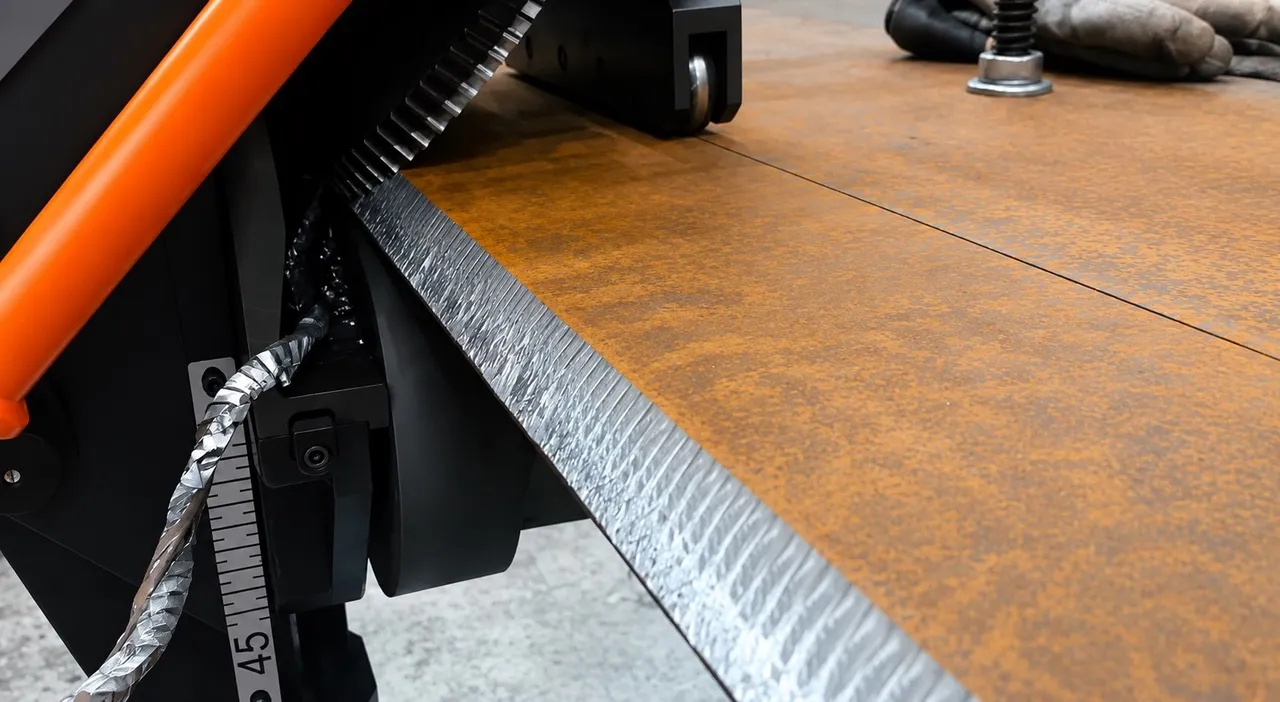
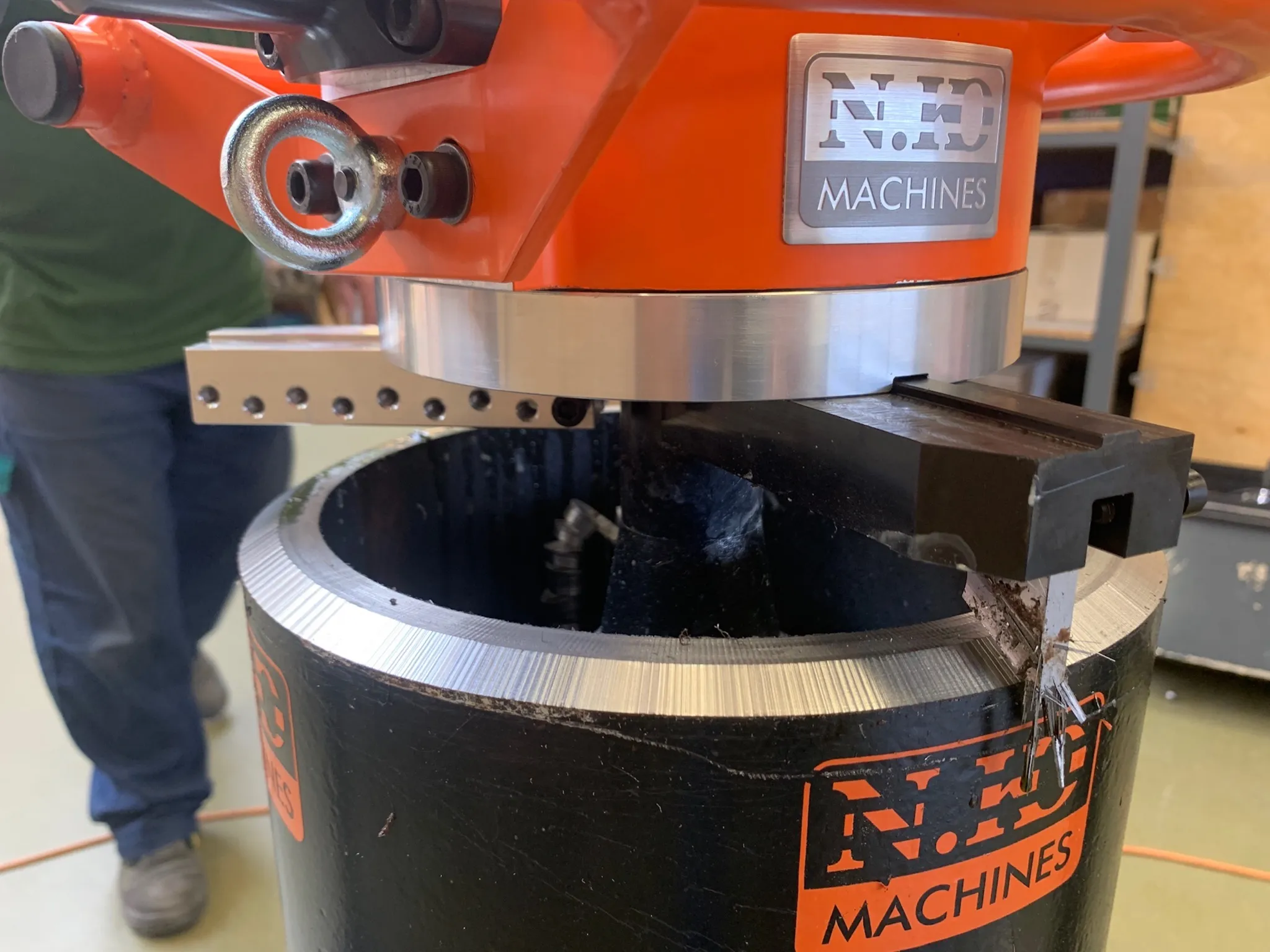
Machining strips away the surface layer, leaves clean metal, and cuts a precise groove — which means fewer NDT rejects, less rework, and lower scrap.
AWS D1.1 all set strict weld-prep requirements. Machined bevels hit those marks over and over, no matter the operator, which streamlines certification, audits, and WPS paperwork.

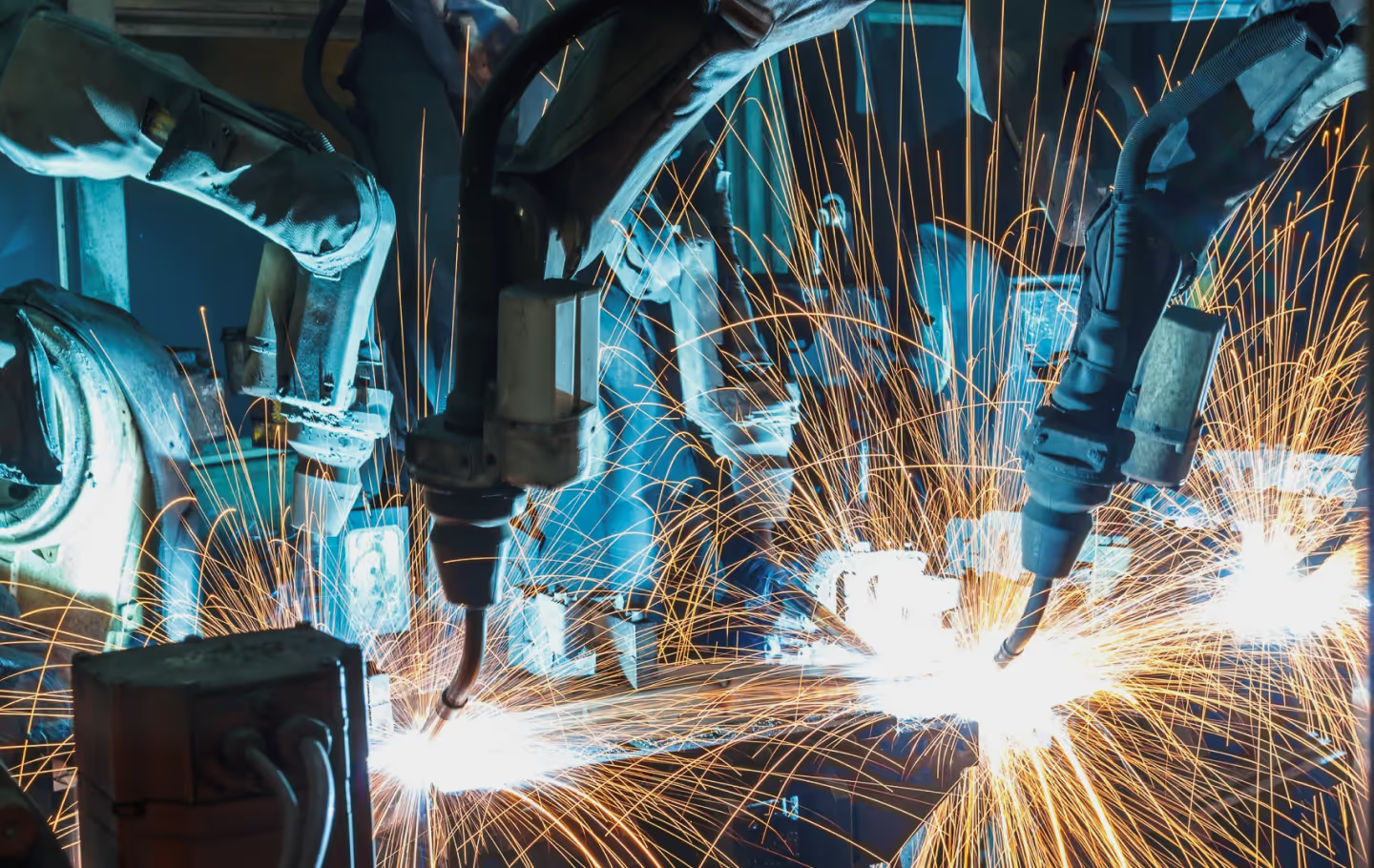
Robotic and automated welding cells need joint geometry that repeats exactly — machining supplies that consistency and is often the first move toward robotic welding.
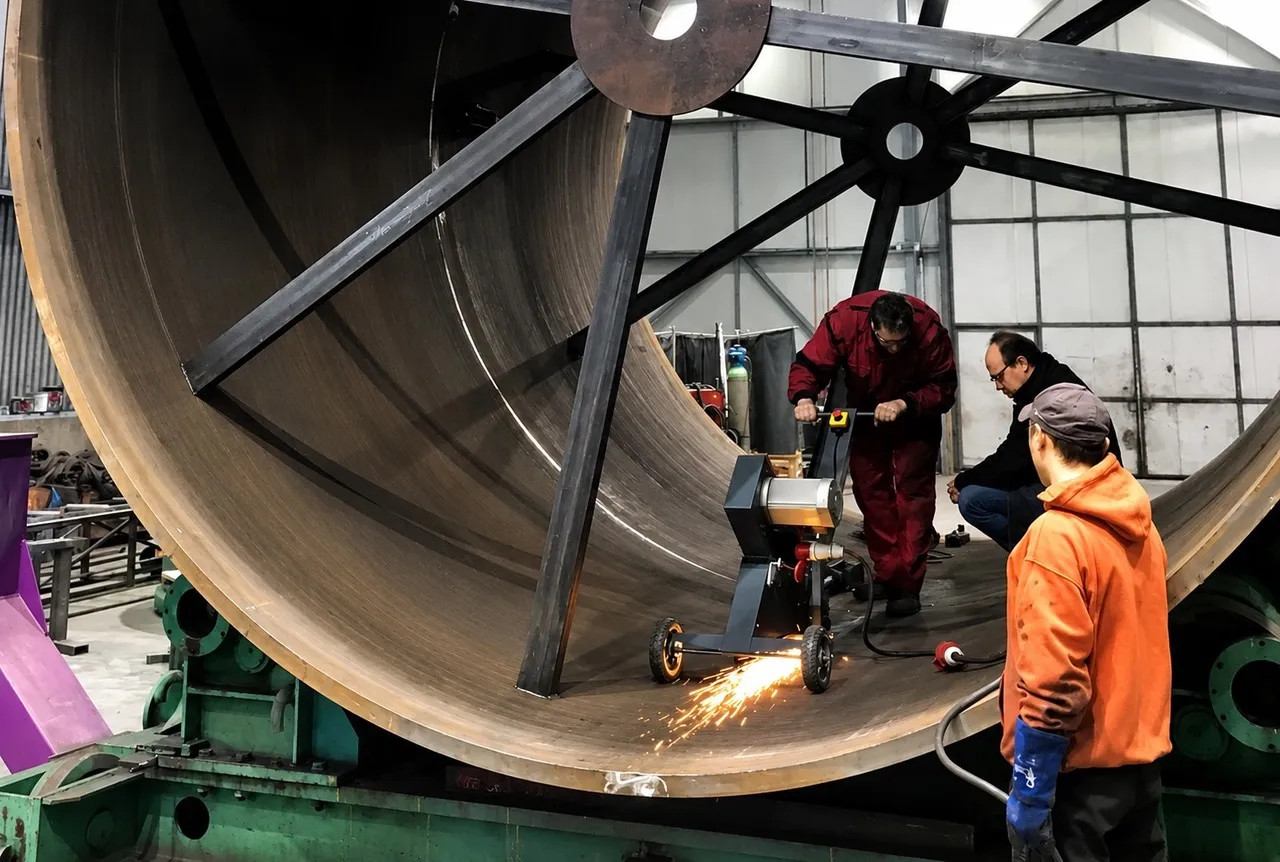
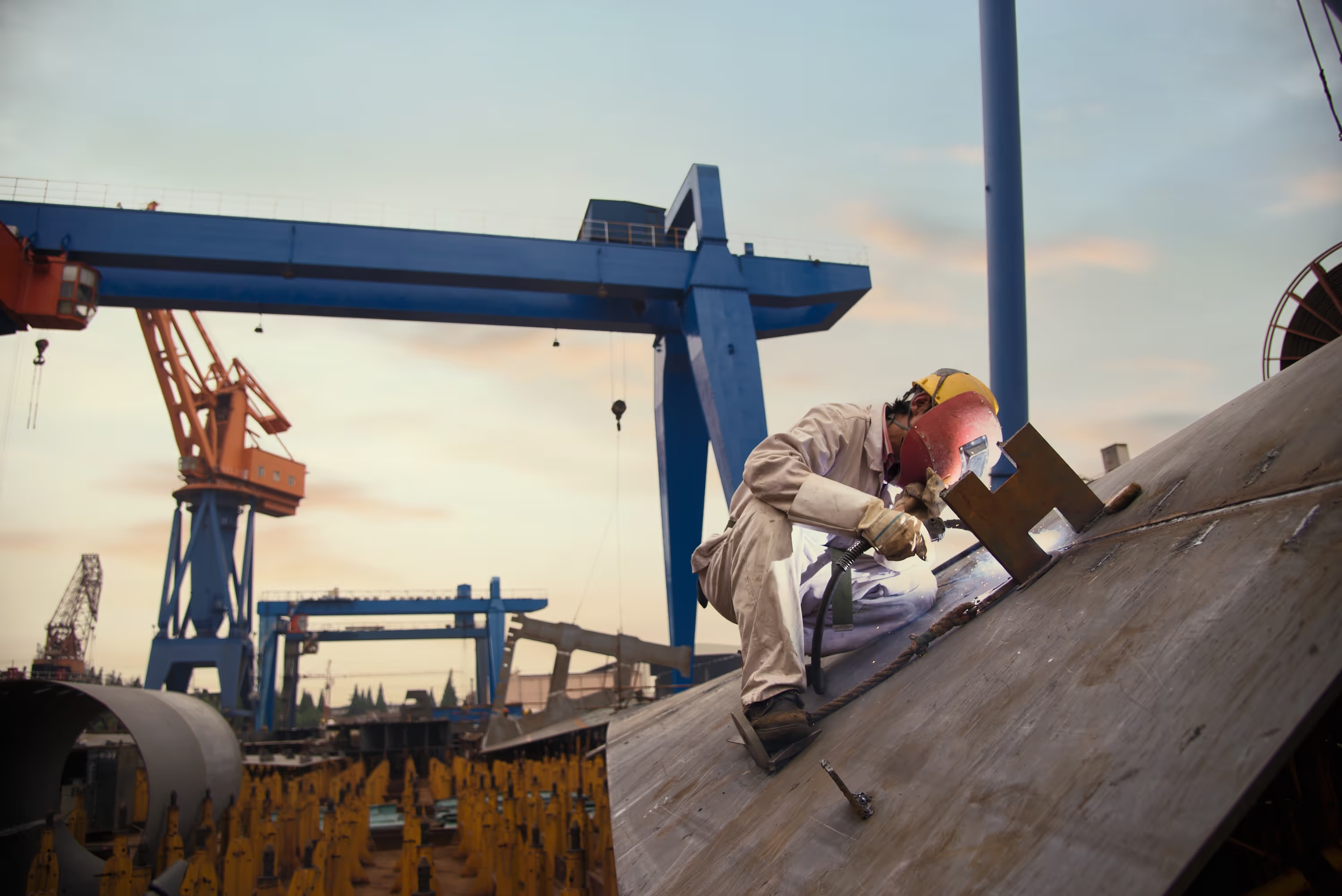
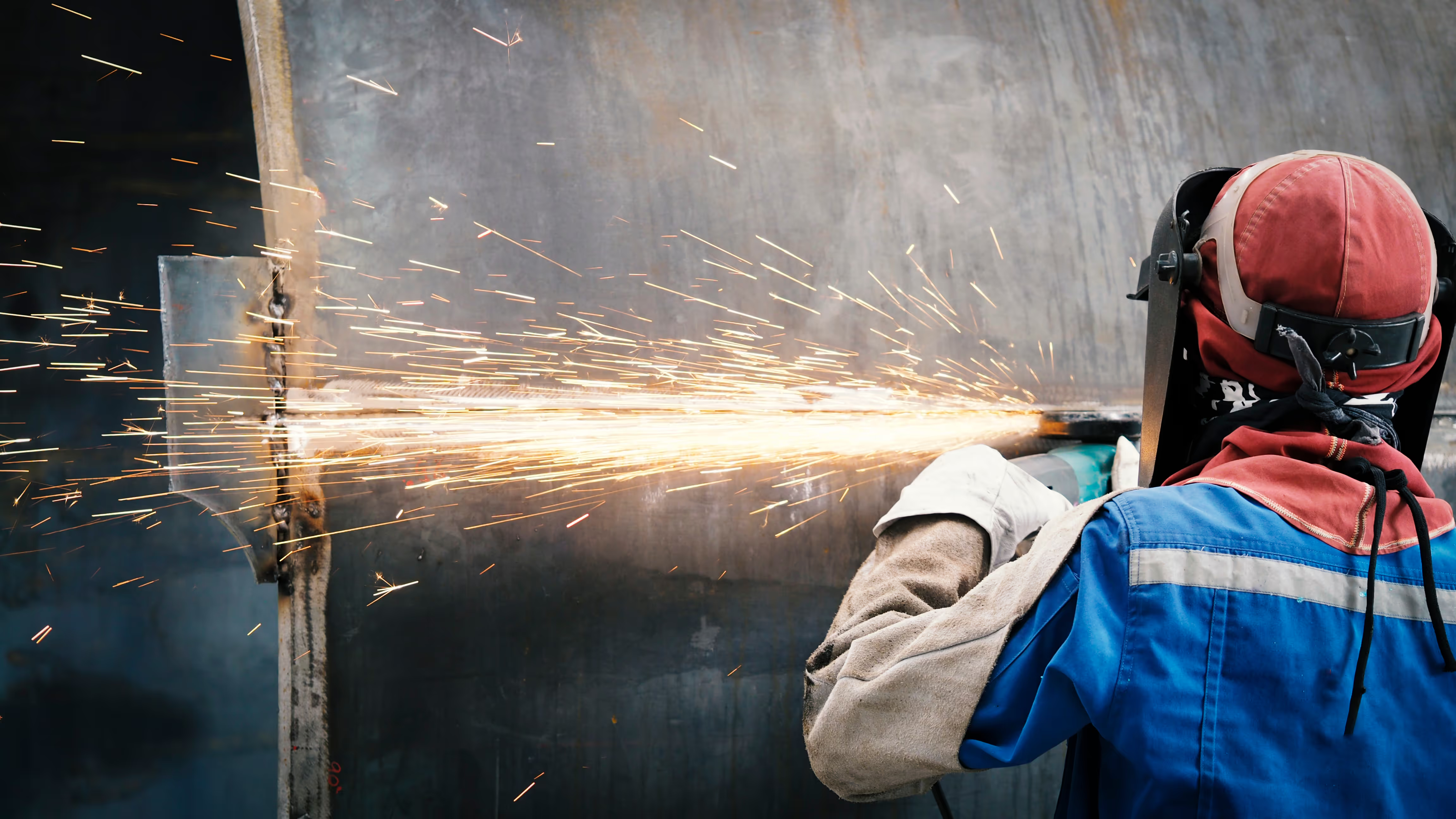
Hand grinding is slow, physically hard, loud, and dusty. Machined prep eases the strain, improves safety, and frees skilled staff for higher-value work.
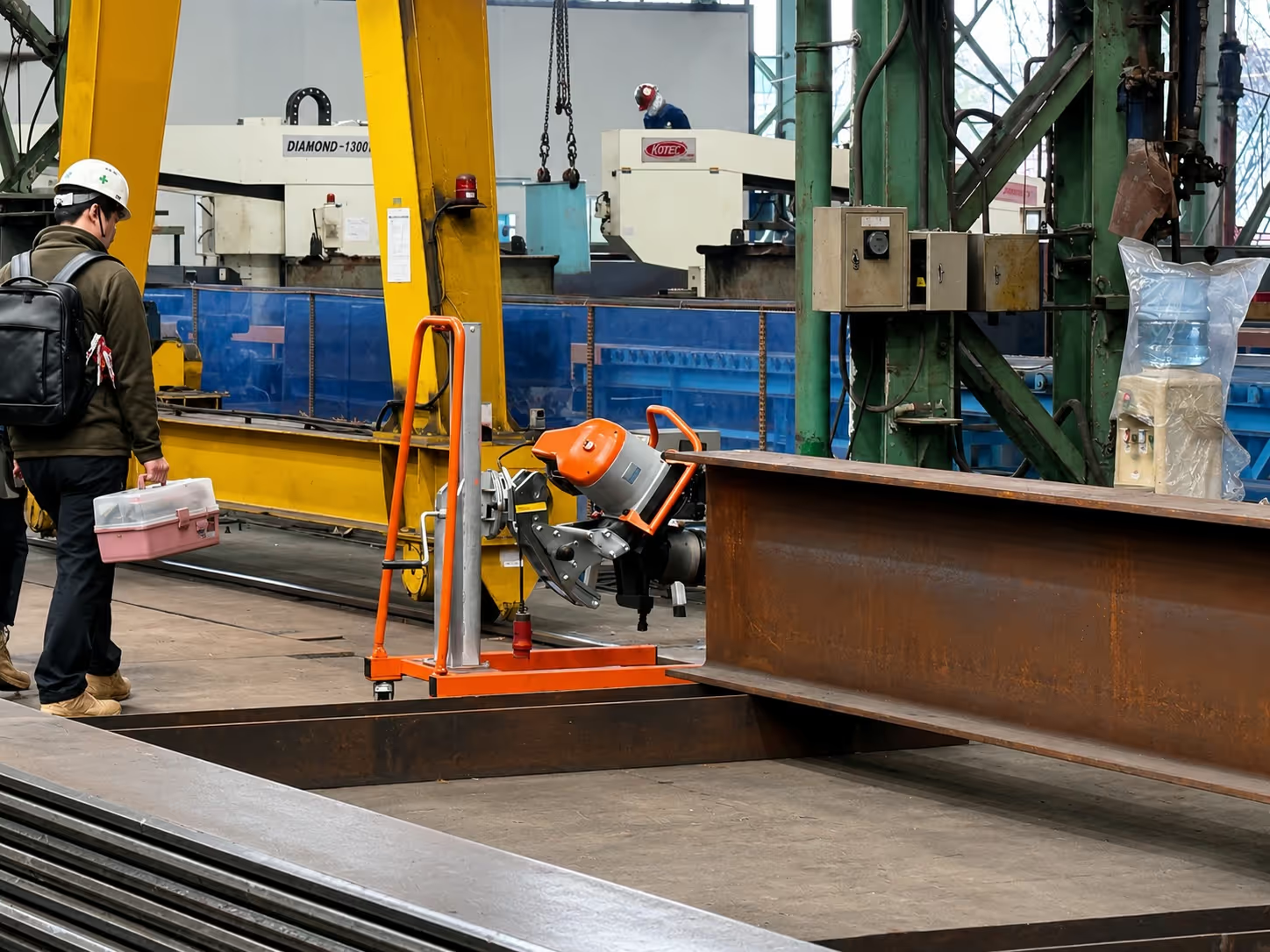
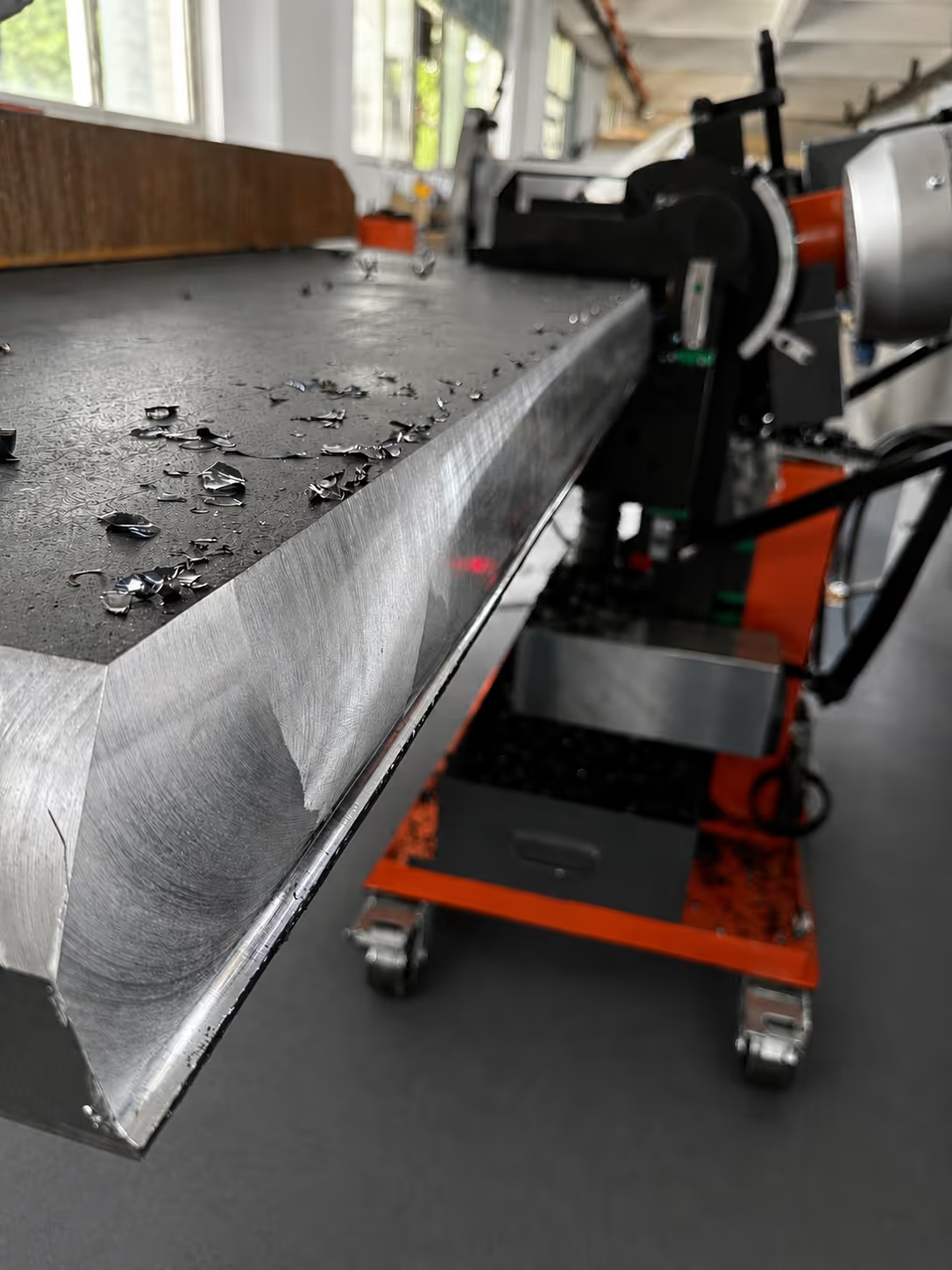
An accurate bevel means a controlled weld volume, which trims filler consumption, weld time, and heat input.
They all share the same challenges: strict quality requirements, tight deadlines and cost pressure — and the need for a reliable, repeatable production process.


.avif)